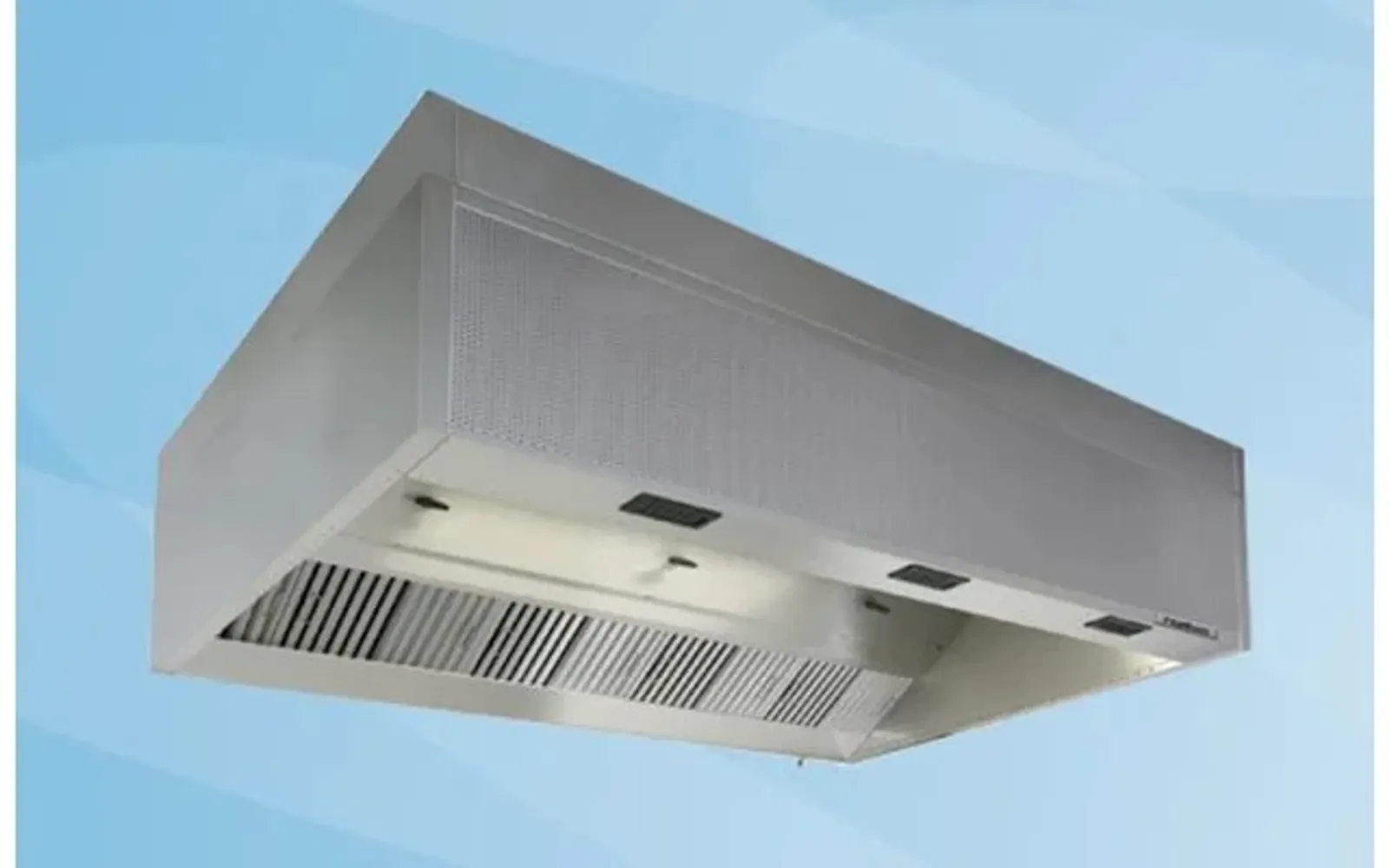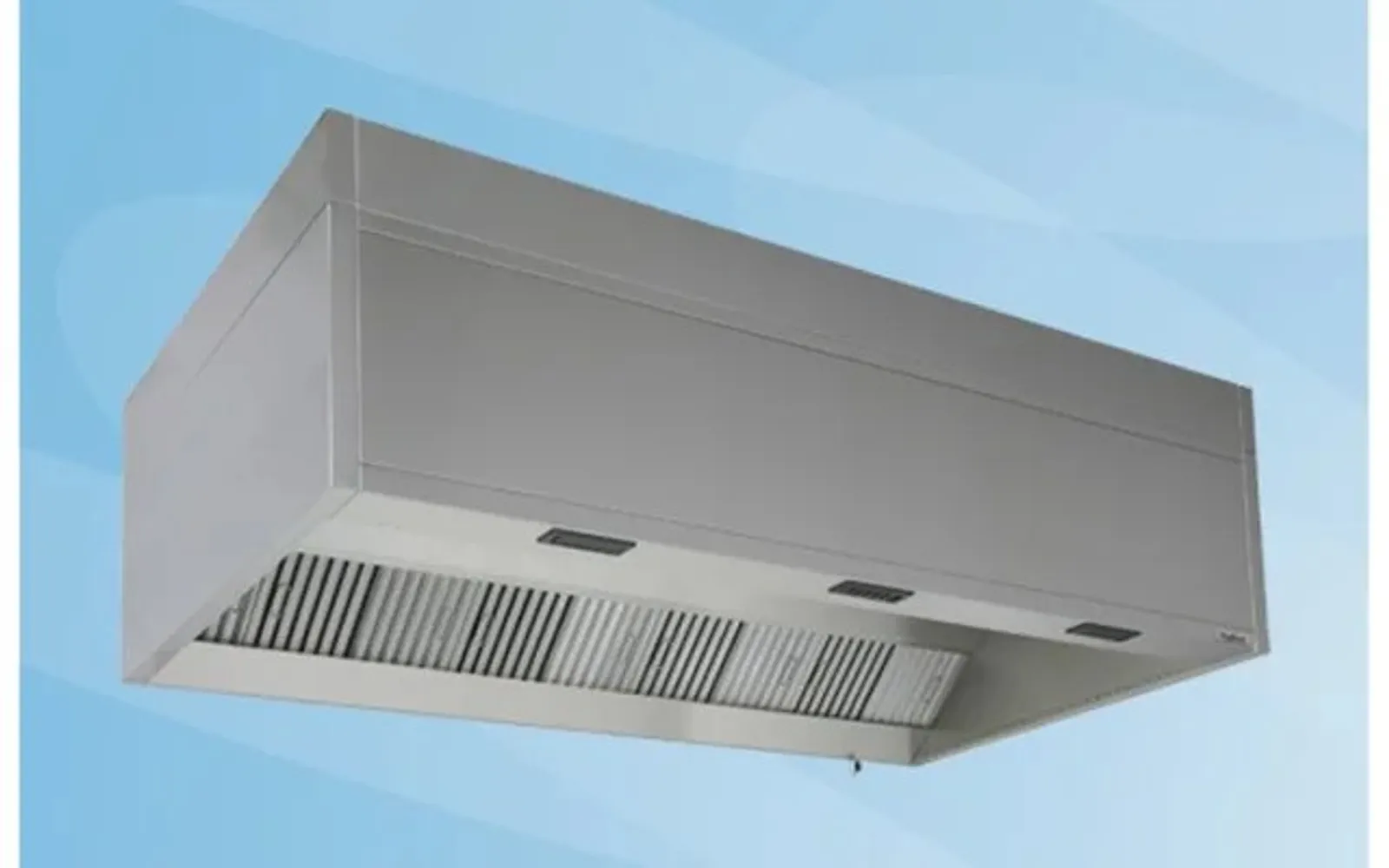
Halton SPEH.HAL.CAPJET3 - KVI Exhaust Hood Capture Jet 3 - 3 Filters
SKU: STO-SPEH.HAL.CAPJET3-3-Filters
Halton SPEH.HAL.CAPJET3 - KVI Exhaust Hood Capture Jet 3 - 3 Filters
Overall Size: 1800mm(L) x 1500mm(W) x 650mm(H) (Face 650mm(H))
Hood Construction: 1 section, 304 Stainless Steel
Lights: 4 x LED Downlights; 4500K
Filters: 3 x KSA Filters (500mm x 330mm)
Minimum Exhaust Airflow: 720L/s
Hood Static Pressure at Exhaust Collar: 170Pa
Total Required Makeup Air Responsibility of Others
Airflow through Capture Jet Plenum: 80L/s
Airflow Supplied through Hood Face: 0L/s
Additional Airflow (by others): Approx. 540L/s
Hood Static Pressure at Supply Collar: 60Pa
Halton SPEH.HAL.CAPJET3 - KVI Exhaust Hood Capture Jet 3 - 3 Filters
Halton exhaust hoods are designed for use in high energy commercial kitchens and show kitchens. Halton KVI hoods with Capture Jet™ are proprietary kitchen exhaust hoods, that efficiently capture and extract the thermal plume from heavy duty and live fuel cooking equipment. Capture Jet™ helps capture and contain the heat load with up to 30% lower exhaust airflow. Stainless Steel KSA cyclonic grease filters. The canopy is manufactured completely from AISI 304 1.2mm No 4 finish stainless steel. Testing and Balancing (T.A.B) taps for flow measurements are fitted to the exhaust and supply plenums.
- Kitchen Exhaust Hood shall comply with the requirements or NCC 2015 and AS1668.2 2012
- Constructed from 1.2 mm AISI 304 Satin finish with fully welded exhaust plenum
- The hood shall be supplied complete with vertical and horizontal Capture Jet™ technology with high efficiency UL classified multi-cyclone grease filters (KSA) and pressure measurement points as well as exhaust air adjustment dampers and flush light fittings to provide minimum 500 lux at the cooking surface
- The size shall be as indicated in the drawings
- The hood will be designed to save energy and capture efficiency will be calculated using convective heat calculation methods
- Make-up air must be supplied at low velocity by others
PLEASE NOTE IMAGE IS FOR REFERENCE PURPOSES ONLY
Related Products
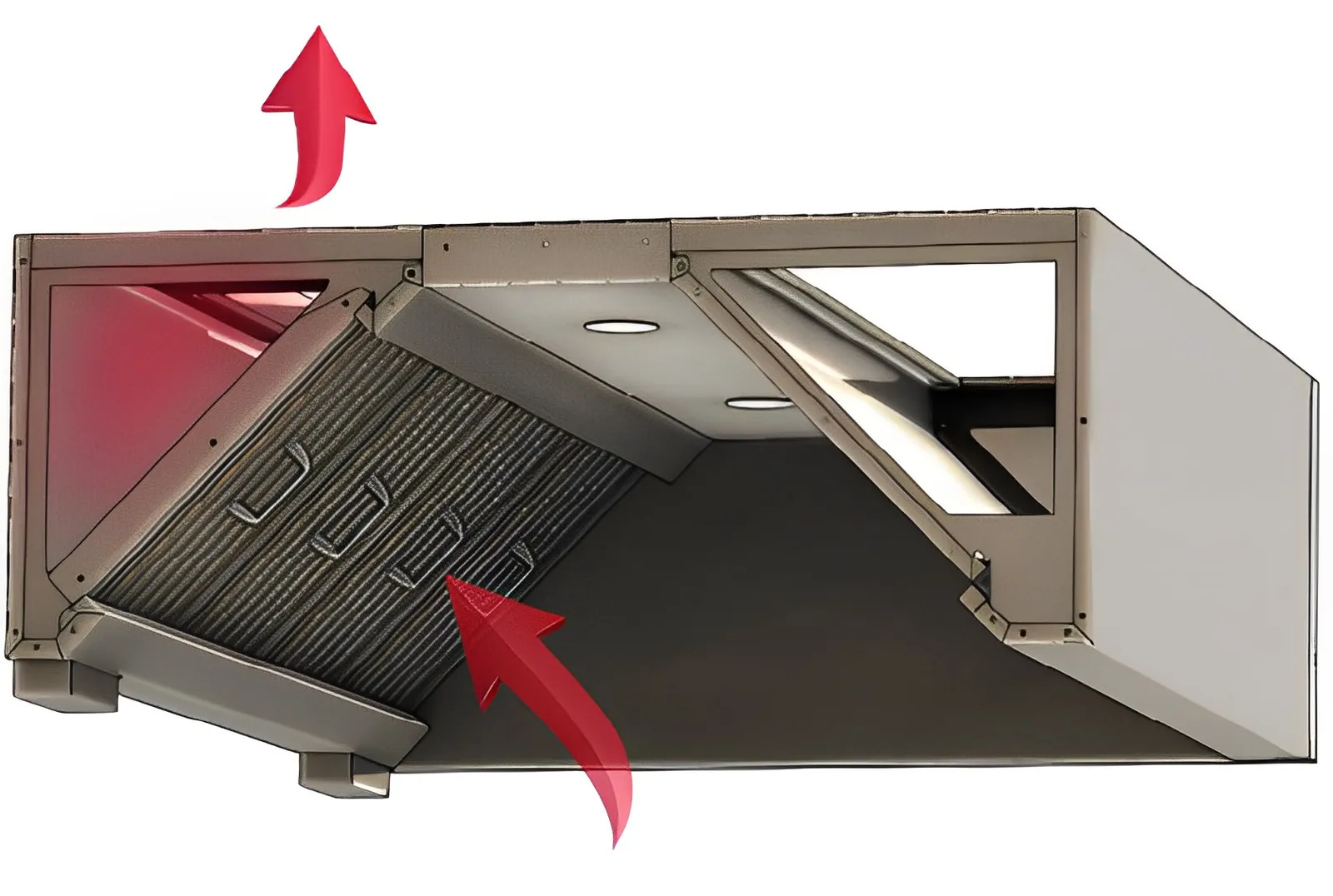
Austream EO-19001300 EO Series - Extract Only
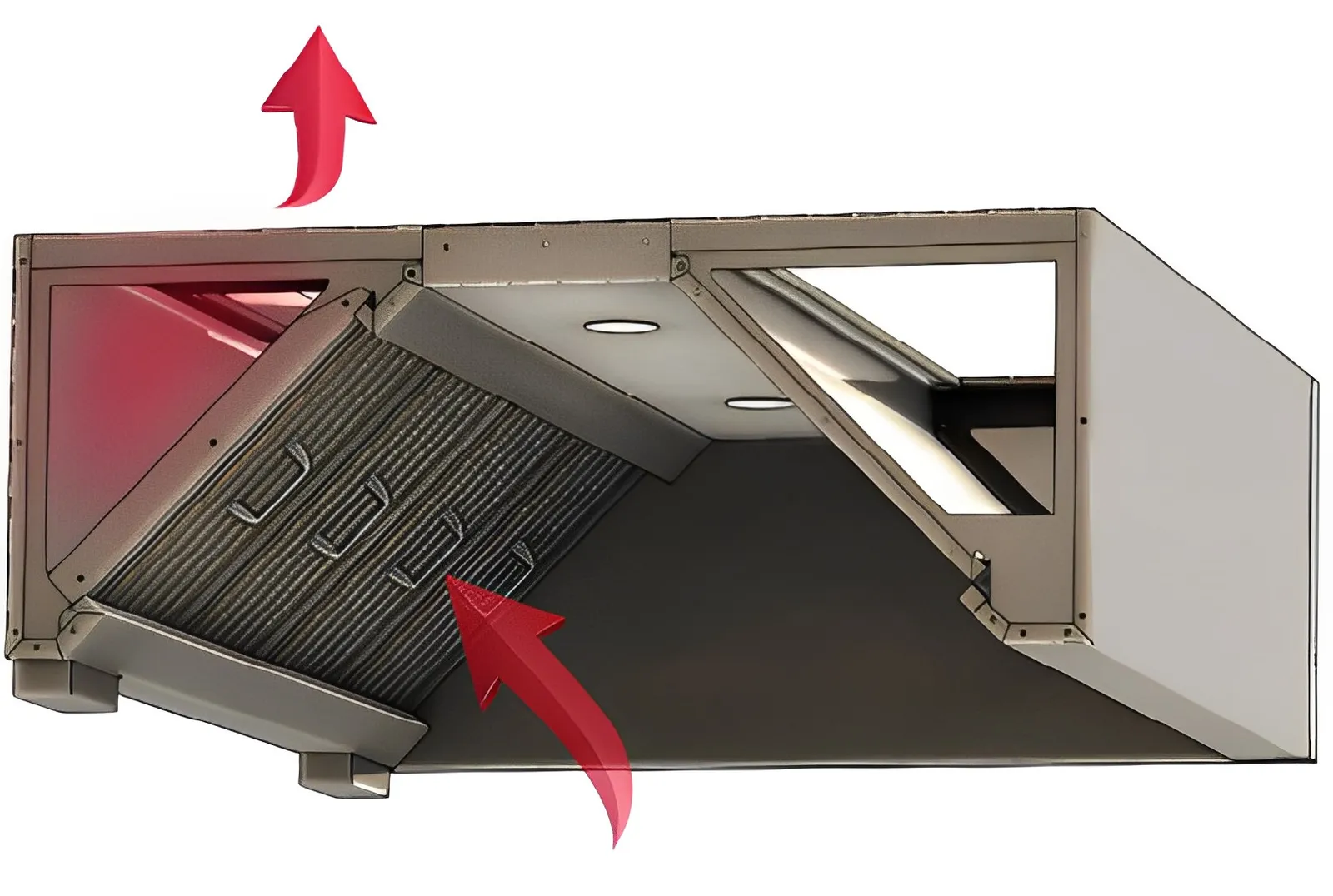
Austream EO-20501300 EO Series - Extract Only
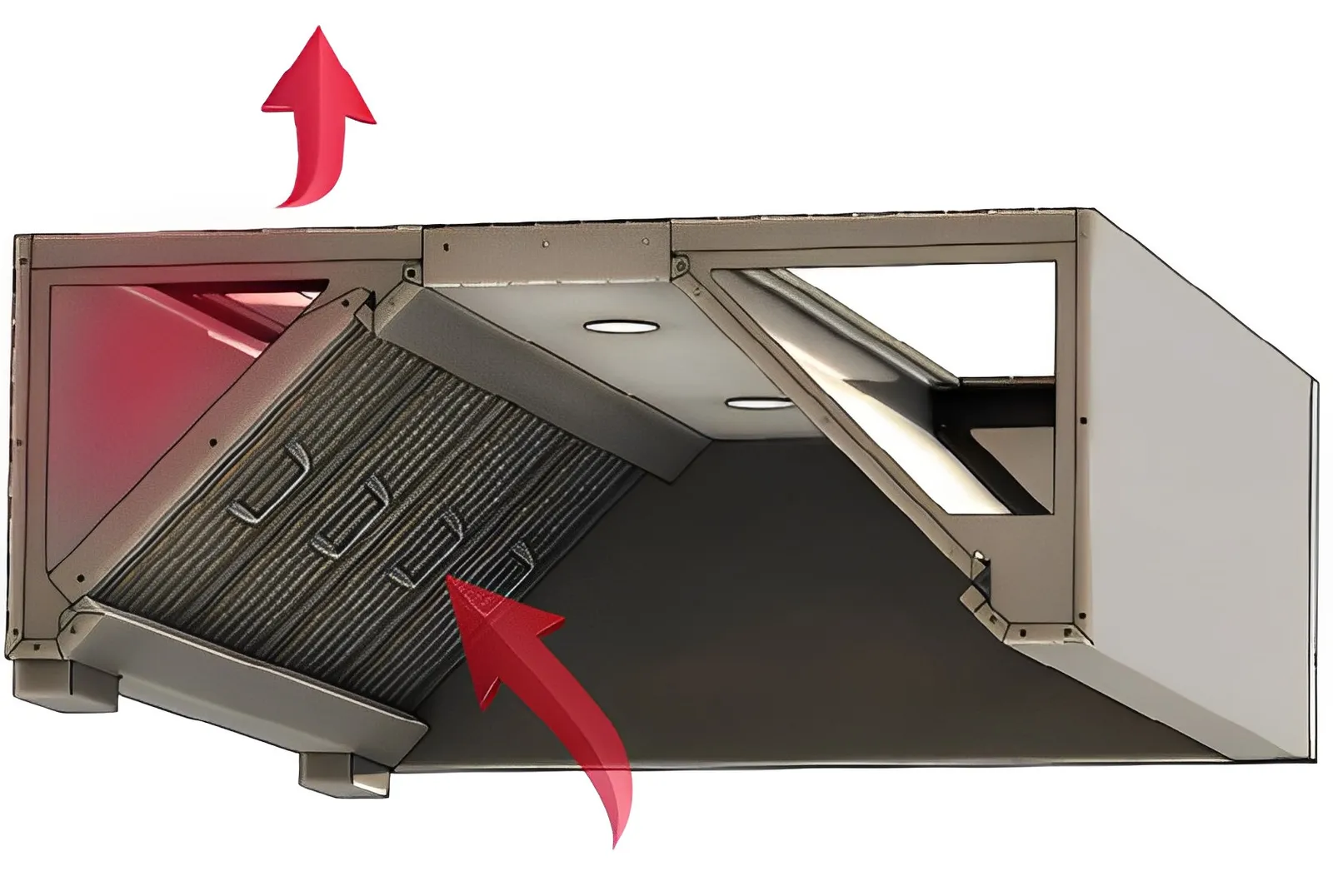
Austream EO-24001300 EO Series - Extract Only
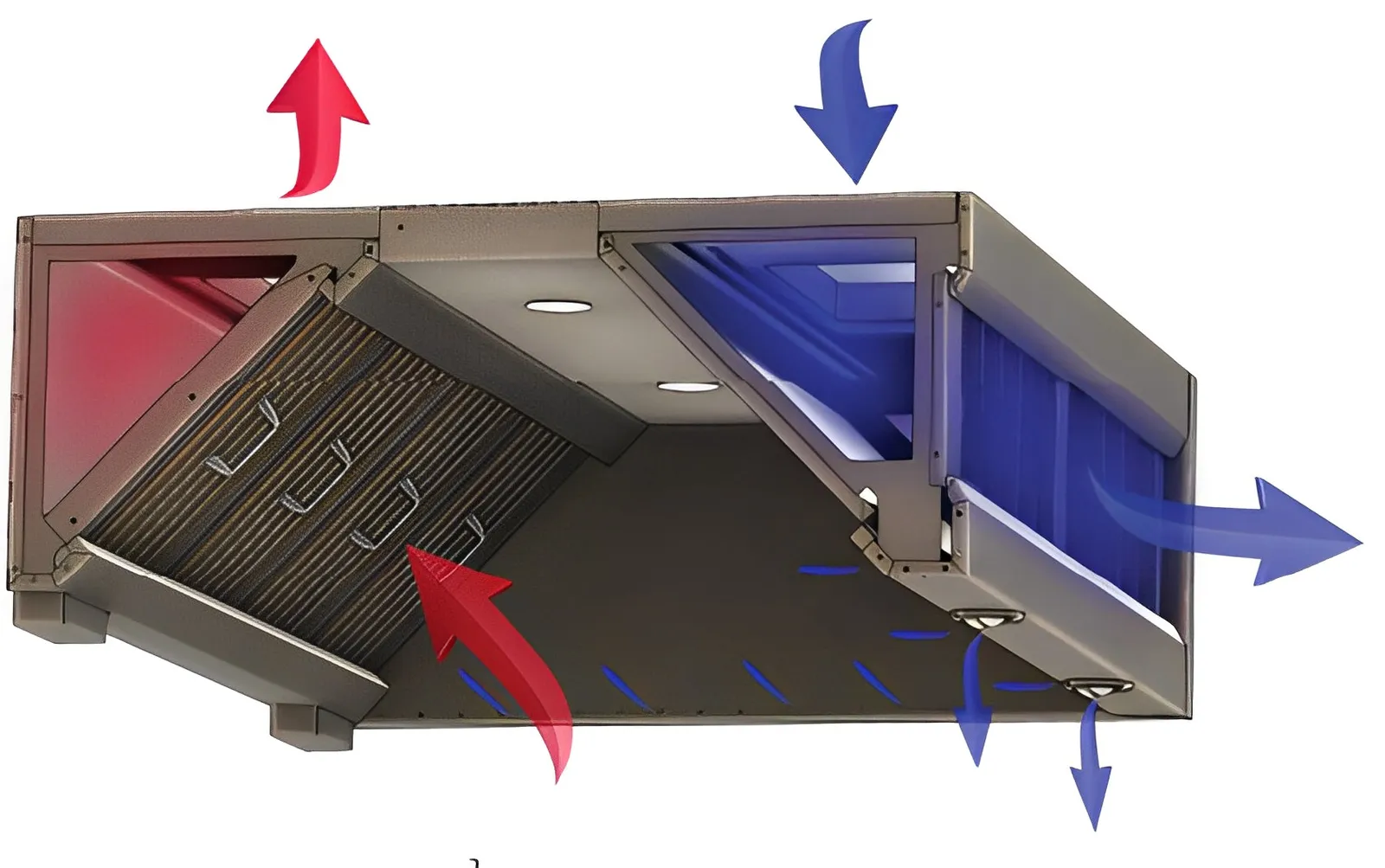
Austream I-19001300 I Series - Inspire with supply
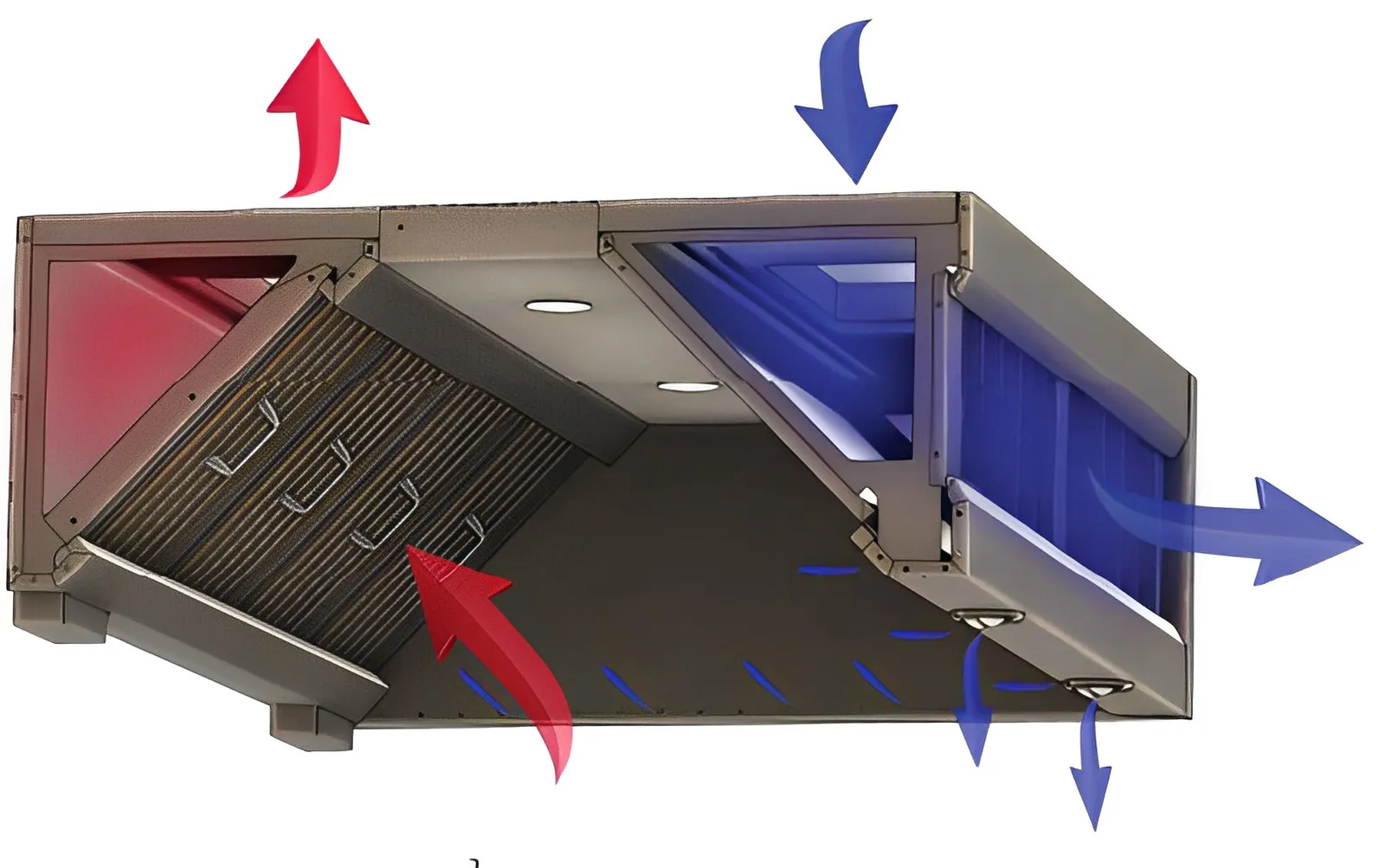
Austream I-20501300 I Series - Inspire with supply
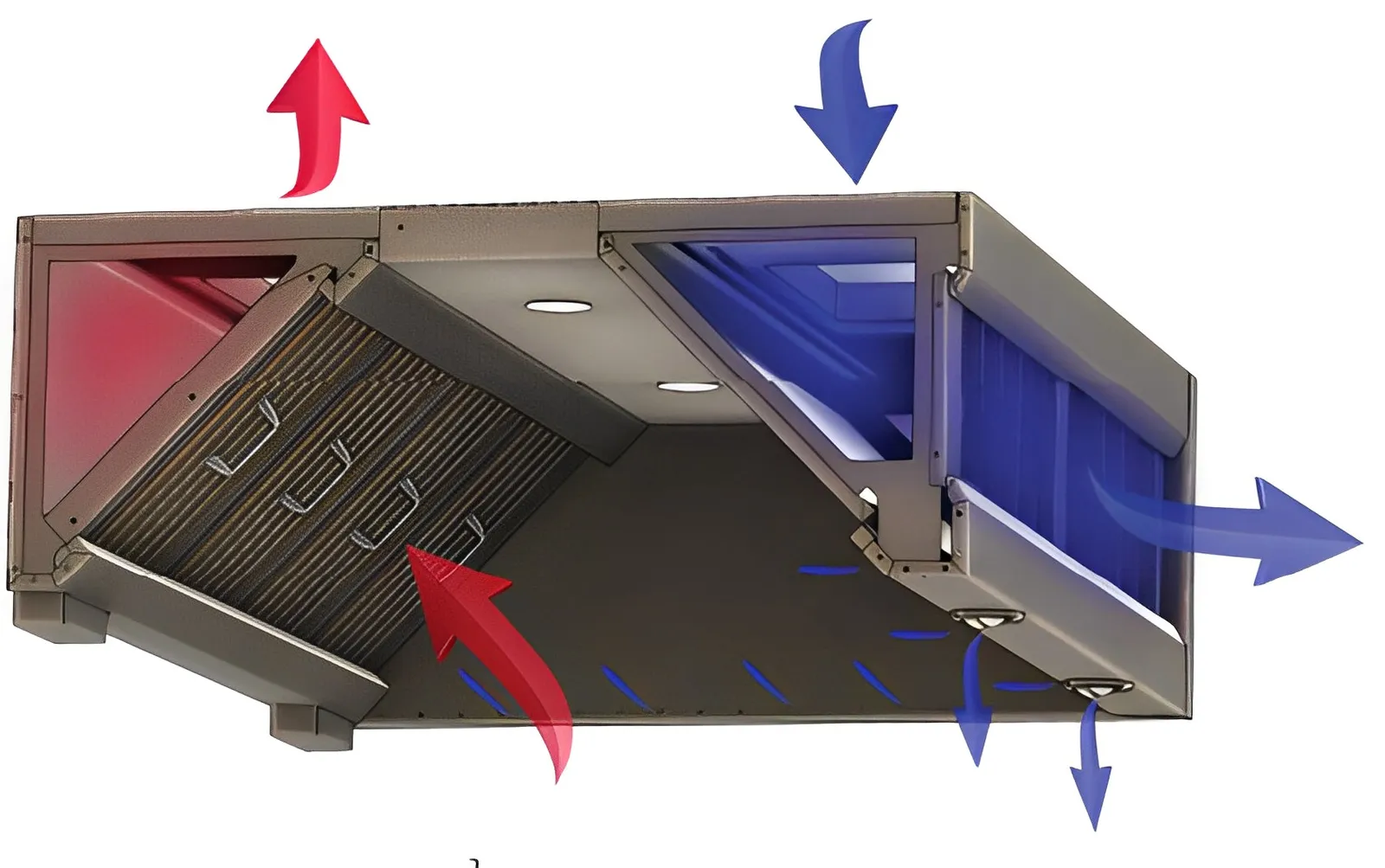
Austream I-24001300 I Series - Inspire with supply
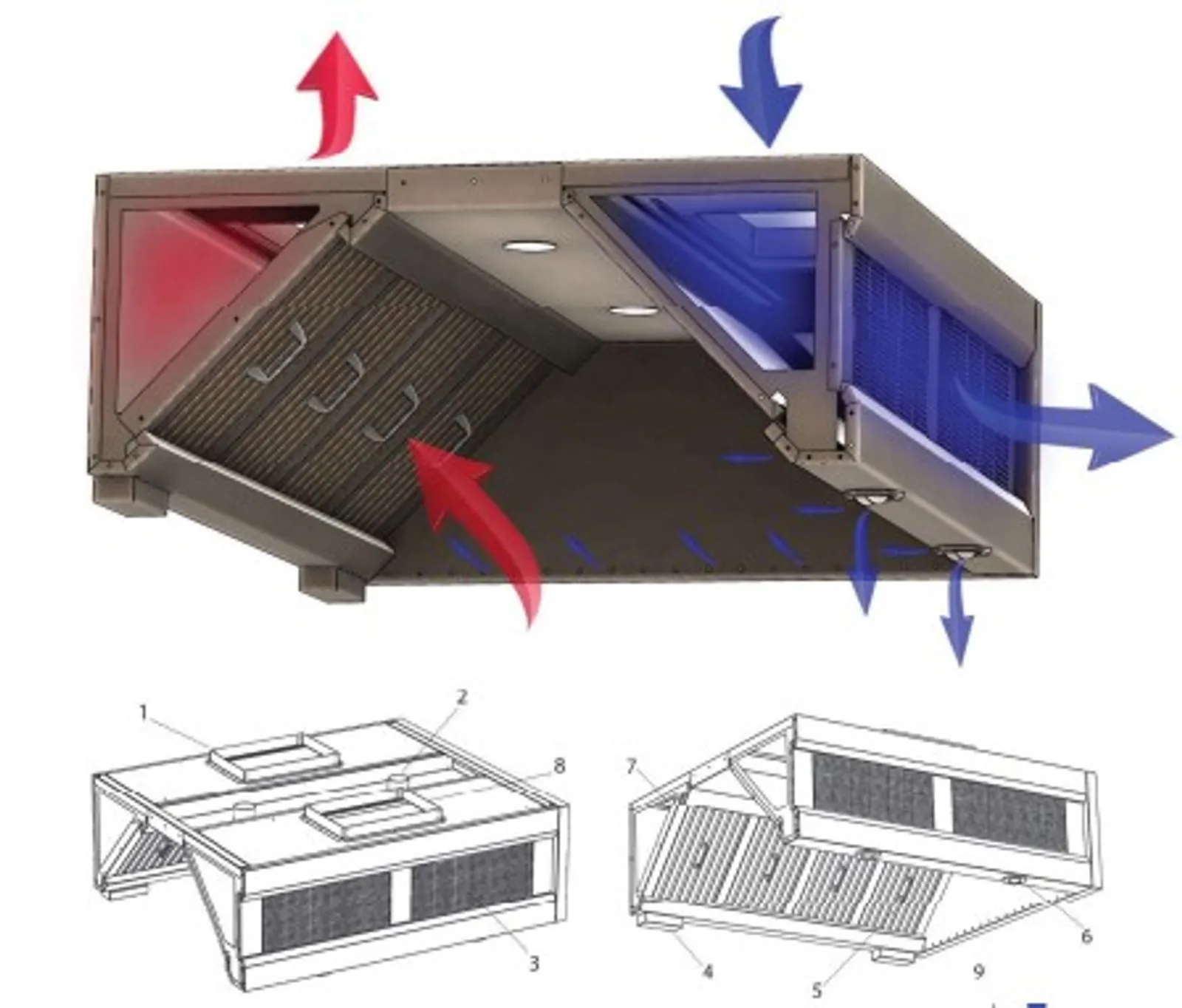
Austream I-35001650 I Series - Inspire with supply with 2 Flame Deflectors

Austream IR-30001650 I Series - Supply Air & Reduced Front

Custom Commercial Canopy
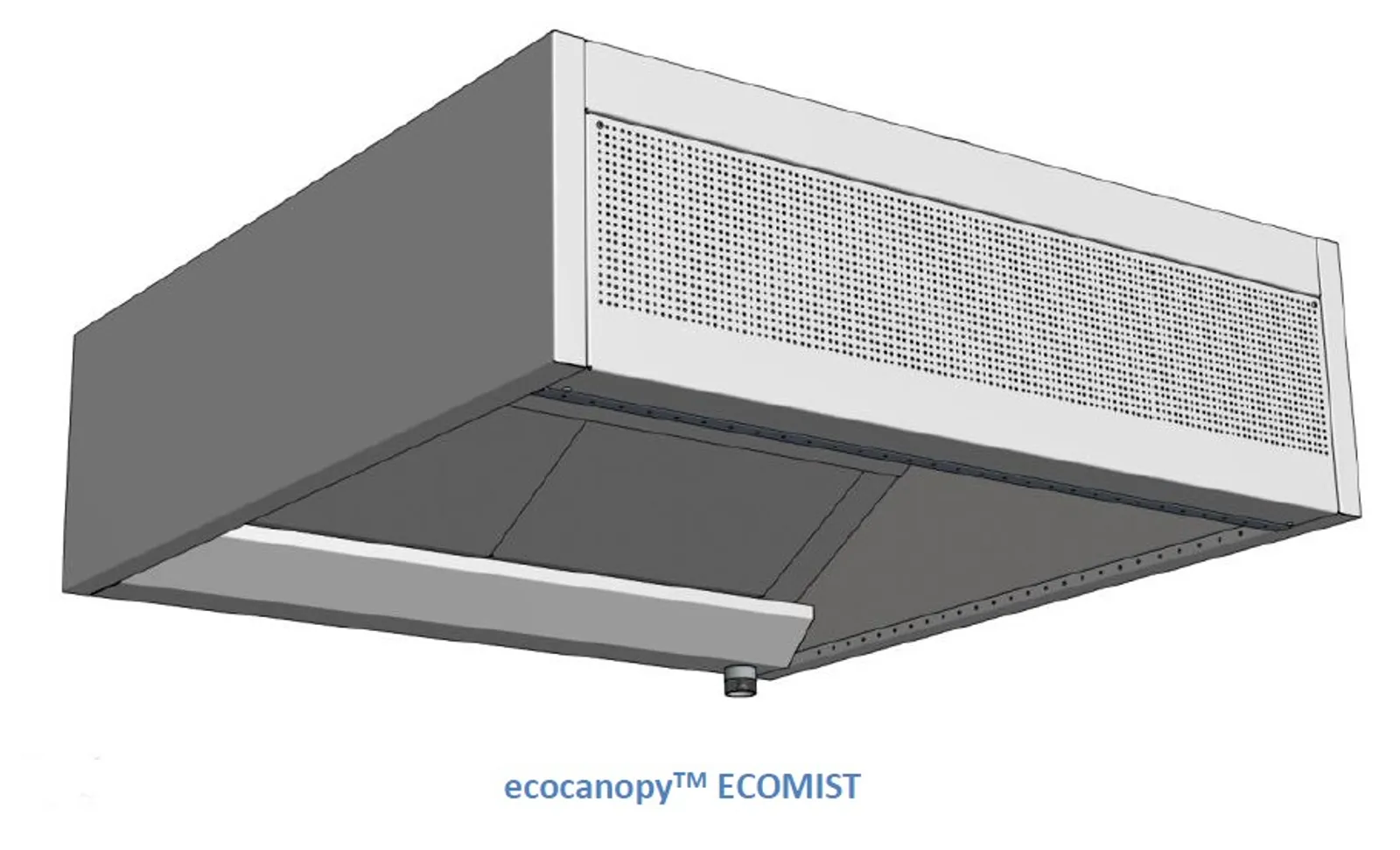
Ecocanopy Economist - Water Misting Exhaust Hood Canopy
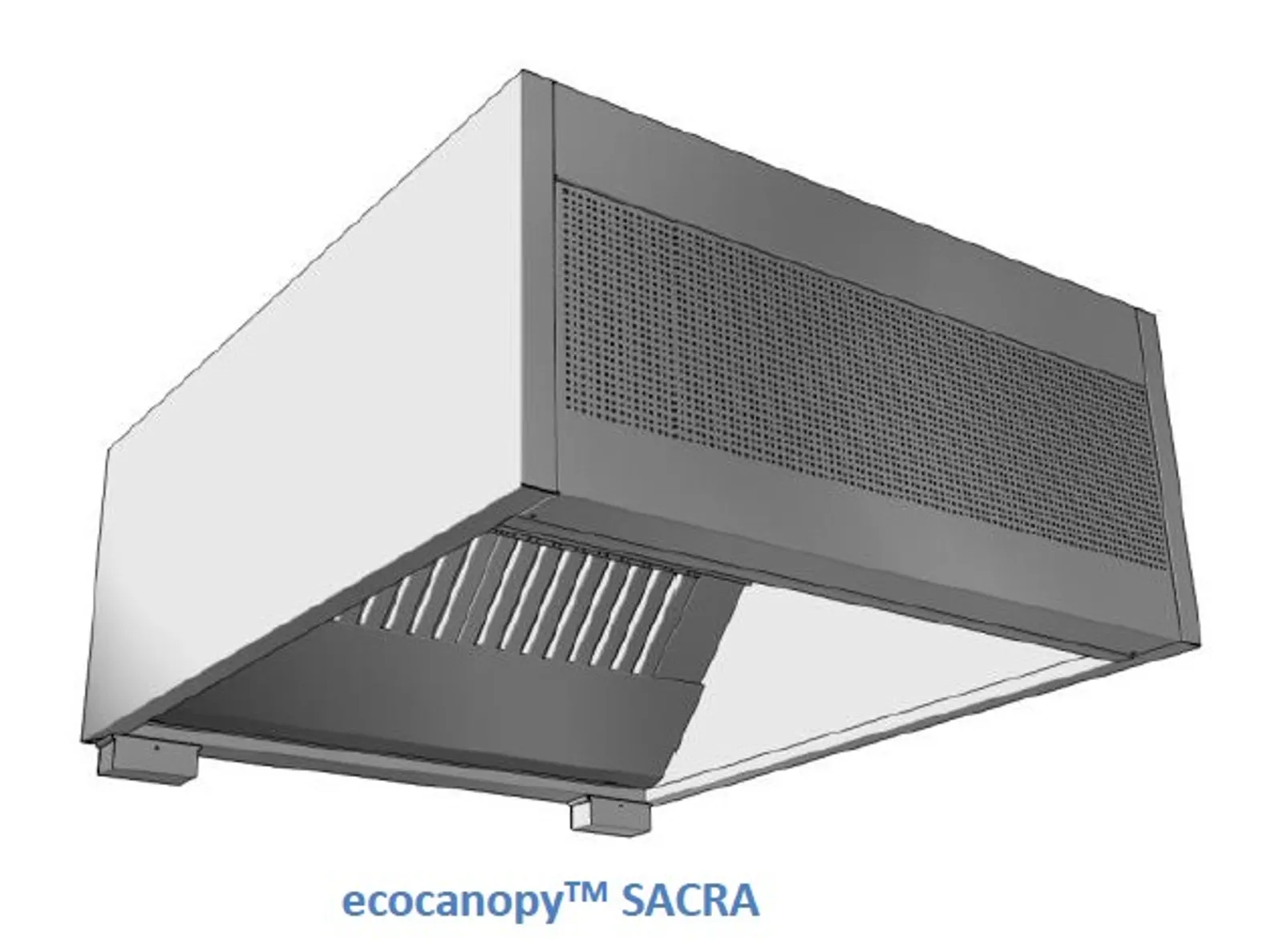
Ecocanopy SACRA - Exhaust Hood Canopy